
Still air
Notes on lowering contrast around you before reading.
Quaktorxvar

Moments of quiet are shaped by small habits: where light falls, how screens fade, and how attention moves across a room. These guides describe optional steps you can adapt.
Nothing here replaces professional care when you need it; the focus stays on everyday pacing.

Each anchor pairs an idea with a sensory cue so you can decide what fits your space.
Notes on lowering contrast around you before reading.

Ways to soften horizon lines when the day feels visually loud.
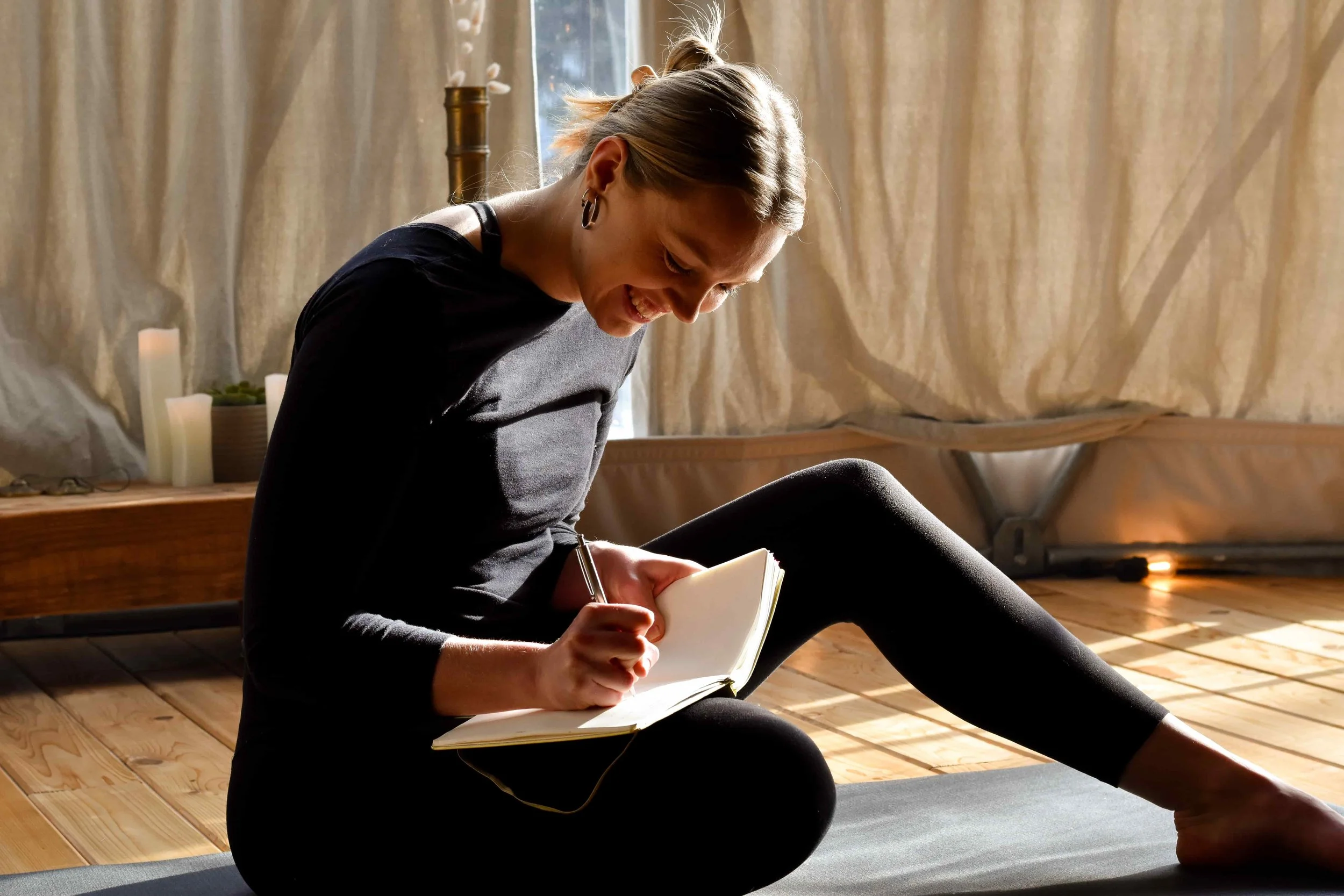
A paced outline for indoor loops when outdoor time is limited.
Dimming does not need drama. Gradual shifts tell your eyes that focus can widen again. Pair lamps with warmer tones when it feels supportive.
Open the settle flow
Environmental audio can stay subtle. The mixer page lets you blend faint textures while keeping volume low.
Choose one texture at a time before stacking others.
Pause often; silence is part of the palette.